


How On-Demand Mobility Platforms Are Replacing Traditional Transport Models
Urban travel is no longer a game of chance. Gone are the days of standing on crowded curbs waving at passing taxis or memorizing unreliable bus schedules. Today, mobility has evolved into a precise, data-driven system where convenience, transparency, and efficiency define how cities move.
At Jugnoo, the goal was never to add more vehicles to the road—it was to make existing ones smarter. By digitizing auto-rickshaws and integrating logistics, Jugnoo has dismantled slow, expensive, and opaque transport models that frustrated commuters for decades. Today, the on-demand mobility platform is reshaping not only how people travel, but how cities function, businesses grow, and local economies thrive.
This deep dive explores how this shift is happening and why the combined power of Jugnoo and Yelo represents the future of urban commerce.
1. Dynamic Routing: The End of Rigid Transport Systems
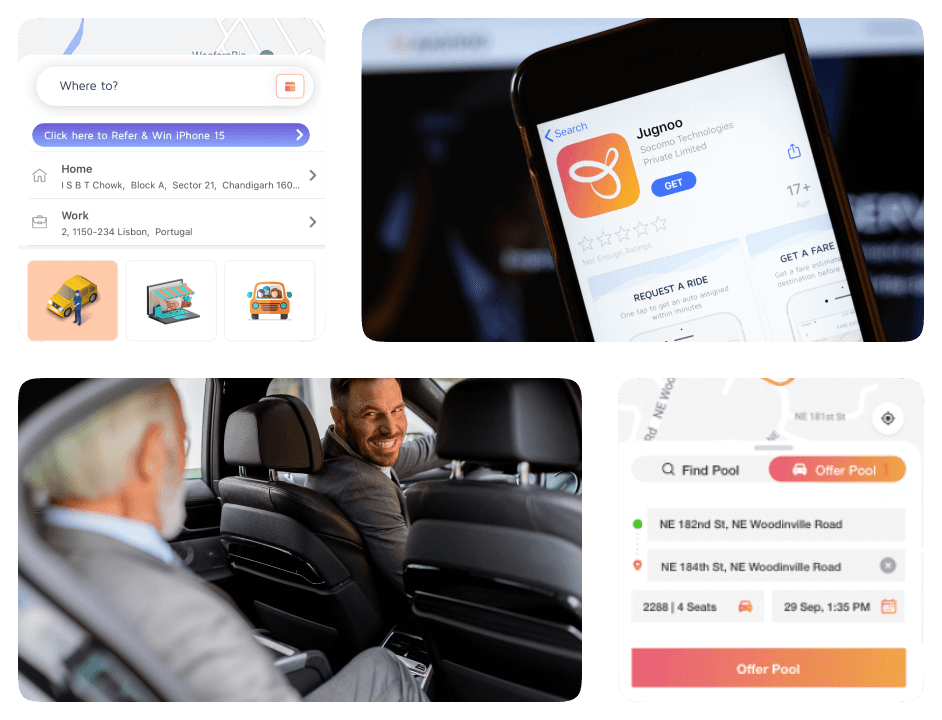
Traditional transport systems suffer from one major flaw—rigidity. Buses and trains operate on fixed routes and schedules, regardless of real-time demand. This leads to empty vehicles in some areas while other neighborhoods remain underserved.
In contrast, a modern mobility ecosystem is demand-responsive. Using real-time GPS data, traffic insights, and predictive analytics, vehicles are positioned exactly where they are needed. This eliminates “dead mileage”—time and fuel wasted while searching for passengers. This is precisely how an on-demand mobility platform restructures urban economics by improving efficiency for both riders and drivers.
Instead of waiting at street corners, drivers are guided directly to pickup locations. This pull-based model increases driver earnings per hour while reducing passenger wait times. The result is a sustainable cycle where operational efficiency keeps prices affordable and income predictable.
2. Bridging the Trust Gap Through Transparency
Trust has always been the weakest link in traditional transport. Meter tampering, fare negotiations, trip refusals, and safety concerns have pushed many commuters toward private vehicle ownership.
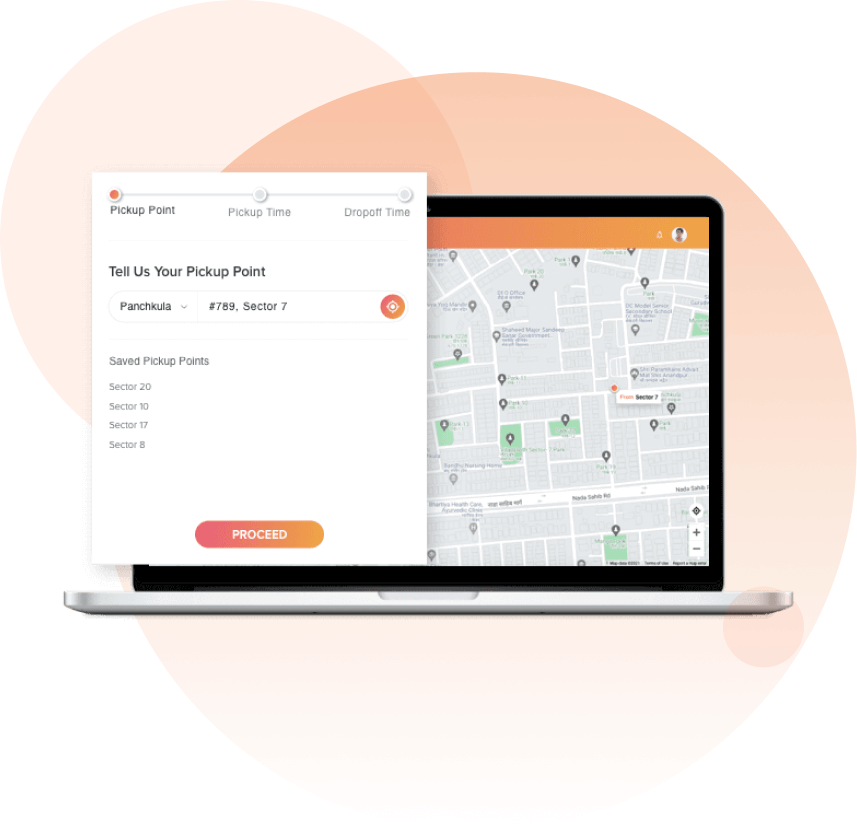
Digitization changes everything. By recording every trip, route, and transaction, an on-demand mobility platform removes ambiguity from urban travel.
Key trust-building features include:
- Upfront pricing calculated before the ride begins
- Driver accountability through ratings and trip logs
- Enhanced safety with SOS buttons and live trip sharing
This transparency has made platform-based mobility the preferred choice for daily commuters, particularly women and students. Knowing who is driving, where the route goes, and what the fare will be eliminates the anxiety traditionally associated with city travel.
3. Beyond Rides: The Rise of the Super-App Economy
To truly replace legacy transport models, mobility platforms must extend beyond ride-hailing. Urban efficiency today depends on hyperlocal integration, where transport and commerce operate as one system.
This is where Jugnoo and Yelo create a powerful synergy. Yelo enables businesses to build local marketplaces, while Jugnoo handles last-mile logistics using the same driver network. The result is a unified ecosystem where people and goods move seamlessly.
When merchants use Yelo, they gain instant access to an existing mobility network. A grocery store, pharmacy, or bakery can now deliver within minutes instead of days—without owning vehicles or managing delivery staff. Transport becomes an economic enabler, not just a utility.
4. Empowering Small Businesses with Hyperlocal Logistics
Traditional logistics models favor large enterprises with high shipping volumes. Small and medium businesses often struggle with high courier costs, delayed deliveries, and limited reach.
An on-demand mobility platform levels the playing field by offering flexible, pay-per-use last-mile delivery. Businesses no longer need warehouses or fleets—they simply tap into a city-wide driver network when demand arises.
| Feature | Traditional Logistics | Jugnoo + Yelo |
|---|---|---|
| Delivery Speed | 2–5 Days | 30–60 Minutes |
| Tracking | Milestone-based | Real-time GPS |
| Cost | High Fixed Costs | Hyperlocal, Variable |
| Scalability | Slow | Instant via SaaS |
This model ensures that local money stays within local communities while enabling faster, more affordable service for customers.
5. Strengthening the Gig Economy
One of the most significant yet overlooked impacts of platform-based mobility is its effect on drivers. Traditionally, drivers depended on physical stands and luck. Income was inconsistent, and idle time was common.
Jugnoo changes this by aggregating demand digitally. Drivers receive continuous ride and delivery requests, maximizing productive hours. By integrating with Yelo, drivers can switch between passenger rides and deliveries based on demand peaks—dramatically increasing earning potential.
This evolution transforms drivers from informal workers into participants in a structured digital economy, offering access to online payments, financial histories, and long-term growth opportunities.
6. AI and Predictive Intelligence at the Core
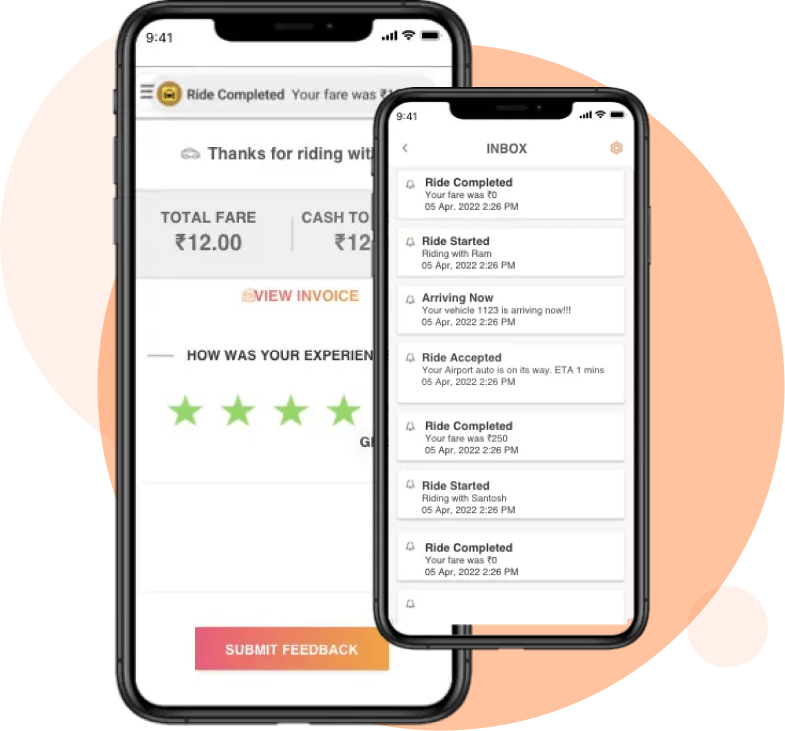
The true advantage of a modern on-demand mobility platform lies in data intelligence. Millions of data points—traffic, weather, demand trends, driver availability—are processed in real time.
Rather than reacting to demand, AI predicts it. Vehicles are pre-positioned in high-demand zones before surges occur, reducing wait times and congestion. For delivery partners, machine learning optimizes multi-stop routes to minimize distance and fuel consumption.
This intelligence doesn’t just improve convenience—it directly contributes to reduced emissions and smarter urban planning.
7. Sustainability and Environmental Impact
Sustainability is no longer optional. Traditional transport systems contribute heavily to congestion and pollution due to inefficient routing and idle time.
Optimized routing, pooled trips, and combined ride-delivery journeys significantly reduce the number of vehicles required on the road. Jugnoo is also accelerating the transition to electric vehicles, using real-time monitoring of battery levels and charging station proximity.
By calculating and minimizing the carbon cost of every trip, the on-demand mobility platform becomes an essential tool for greener cities.
8. Transforming Tier 2 and Tier 3 Cities
While global attention often focuses on mega-cities, the real impact of digital mobility is felt in smaller urban centers. In many Tier 2 and Tier 3 cities, public transport is limited or unreliable.
By organizing existing auto-rickshaw networks, Jugnoo has effectively created “virtual metro systems” in cities like Chandigarh and Jaipur. Residents now rely on platform-based mobility for daily commutes, shopping, and errands—reducing dependence on private vehicles.
This democratization of technology boosts local economies and increases overall productivity.
9. Global Scalability with Local Adaptation
The challenges of urban mobility are universal, but solutions must be localized. The strength of an on-demand mobility platform lies in its adaptability—supporting rickshaws, bikes, vans, or EVs depending on regional needs.
Jugnoo’s white-label solutions empower local entrepreneurs across 75+ countries to build mobility businesses using the same scalable technology backbone. This bottom-up approach is replacing traditional, centralized transit planning worldwide.
10. The Road Ahead: Autonomous and Connected Mobility
As autonomous vehicles become viable, the platforms that succeed will be those ready to integrate both human-driven and autonomous fleets seamlessly. With Jungleworks’ infrastructure, this future is already taking shape—from autonomous delivery pods to AI-driven fleet management.
The transport systems of the 20th century were built for a slower world. Today’s cities demand intelligence, flexibility, and hyperlocal efficiency.
Conclusion: Why the Shift Is Permanent
The evidence is undeniable. Traditional transport models are too slow, opaque, and inefficient for modern urban life. Through the combined power of Jugnoo and Yelo, the on-demand mobility platform has become the operating system of the modern city.
By prioritizing transparency, efficiency, and local empowerment, this new model is reshaping how cities breathe, businesses scale, and people move. The shift isn’t temporary—it’s permanent.
Key Takeaways for Cities and Businesses
- Break silos between transport and commerce
- Use predictive data, not fixed schedules
- Empower local businesses through hyperlocal platforms
- Stay adaptable across vehicles, regions, and demand patterns
The future of mobility is not coming—it’s already here.