


Building a Multi-Vertical Business Using an On-Demand Mobility Platform
In today’s fast-moving digital economy, businesses are rapidly shifting toward instant, app-based services. As a result, a unified digital mobility system has become the foundation for modern transportation, delivery, and hyperlocal services. More importantly, this technology is no longer limited to ride-hailing—it now powers multiple verticals such as logistics, food delivery, grocery fulfillment, and local services from a single system.
As consumer expectations continue to evolve, companies that rely on fragmented solutions often struggle to scale. Therefore, building a multi-vertical on-demand mobility platform offers a future-ready approach that combines efficiency, scalability, and profitability under one unified ecosystem.
What Is an On-Demand Mobility Platform?
An on-demand mobility platform is a digital ecosystem that connects users with mobility and delivery services in real time through mobile and web applications. Unlike single-service apps, modern platforms support multiple use cases through shared infrastructure.
Key Services Powered by an On-Demand Mobility Platform
- Ride-hailing (cars, autos, bikes, taxis)
- Hyperlocal delivery (food, grocery, pharmacy)
- Logistics and courier services
- Fleet-based shuttle and employee transport
- On-demand services (laundry, beauty, home services)
Consequently, businesses can serve diverse customer needs without building separate apps or systems.
Why Businesses Are Shifting to an On-Demand Mobility Platform
1. Rapid Market Growth
The global on-demand transportation market was valued at over USD 120 billion in 2024 and is projected to grow at a CAGR of more than 18% over the next decade. This growth is driven by urbanization, smartphone penetration, and changing consumer behavior.
As a result, companies that adopt an on-demand mobility platform early gain a significant competitive advantage.
2. Consumer Preference for All-in-One Apps
Today’s users prefer fewer apps that do more. Instead of downloading separate apps for rides, food, and deliveries, customers expect everything in one place.
Therefore, a multi-service on-demand mobility platform improves:
- User retention
- App engagement
- Cross-service adoption
3. Better Asset Utilization
Moreover, shared infrastructure allows businesses to:
- Use the same drivers for rides and deliveries
- Reduce idle fleet time
- Maximize earnings per driver
This leads to lower operational costs and higher profitability.

Core Components of a Scalable On-Demand Mobility Platform
Technology Stack for an On-Demand Mobility Platform
A strong technology foundation is essential. Specifically, it must support multiple services without performance issues.
Key components include:
- Real-time GPS tracking
- Intelligent dispatch engine
- Secure payment gateways
- Cloud-based scalable infrastructure
- APIs for third-party integrations
Additionally, modular architecture allows businesses to add new verticals without rebuilding the entire platform.
Unified User, Driver, and Admin Applications
An effective on-demand mobility platform includes:
- A customer app for bookings and tracking
- A driver app for task management
- An admin panel for real-time control and analytics
As a result, operations remain streamlined even as services expand.
Dynamic Pricing and Smart Allocation
Furthermore, smart pricing algorithms ensure:
- Demand-supply balance
- Fair driver earnings
- Reduced customer wait times
This flexibility is essential for managing multiple verticals simultaneously.
Building Multiple Verticals on One On-Demand Mobility Platform
Ride-Hailing as the Foundation
Most platforms begin with ride-hailing because it creates:
- A driver network
- A user base
- Real-time dispatch infrastructure
Once established, additional services can be layered on easily.
Adding Delivery and Logistics Services
Next, food, grocery, and parcel delivery can be introduced using the same drivers and routing systems.
Consequently:
- Cost of expansion is low
- Time to market is faster
- ROI improves significantly
Expanding Into Hyperlocal and Service Verticals
Over time, businesses can add:
- Laundry pickup and delivery
- Home services
- Beauty and wellness bookings
This transforms the on-demand mobility platform into a complete hyperlocal ecosystem.
Operational and Regulatory Considerations
Compliance Across Verticals
Each service vertical comes with different regulations. For example:
- Ride-hailing requires transport permits
- Food delivery needs FSSAI compliance
- Logistics involves parcel regulations
Therefore, choosing a platform that supports regional customization is crucial.
Driver and Partner Retention
Retention improves when drivers can earn from multiple services. In fact, platforms offering multi-earning opportunities report 30–40% higher driver retention compared to single-service apps.
Monetization Models for an On-Demand Mobility Platform
A diversified revenue model ensures sustainability. Common monetization strategies include:
- Commission per transaction
- Subscription plans
- Surge pricing
- Featured listings
- Enterprise logistics contracts
As a result, revenue does not depend on one service alone.
SEO and Growth Strategy for On-Demand Mobility Businesses
Search-Driven Demand Capture
From an SEO perspective, businesses should optimize for:
- “On-demand mobility platform”
- “Multi-service mobility app”
- “Ride and delivery app solution”
Moreover, long-form educational content helps rank for competitive keywords and builds authority.
Localized Marketing for Faster Adoption
Since mobility is location-based, city-specific landing pages significantly improve conversions.
Therefore, combining SEO with geo-targeted ads accelerates growth.
Future Trends Shaping the On-Demand Mobility Platform Ecosystem
Looking ahead, several trends will redefine the industry:
- AI-powered predictive dispatch
- Electric vehicle integration
- Autonomous fleet readiness
- Mobility-as-a-Service (MaaS) partnerships
- Smart city integrations
Consequently, platforms built today must be future-ready.
How Jugnoo Powers a Multi-Vertical On-Demand Mobility Platform
Jugnoo stands as a proven example of how a scalable on-demand mobility platform can support multiple verticals seamlessly. Starting as a ride-hailing solution, Jugnoo has evolved into a comprehensive mobility and hyperlocal service platform operating across dozens of cities.
Why Jugnoo Is Ideal for Multi-Vertical Businesses
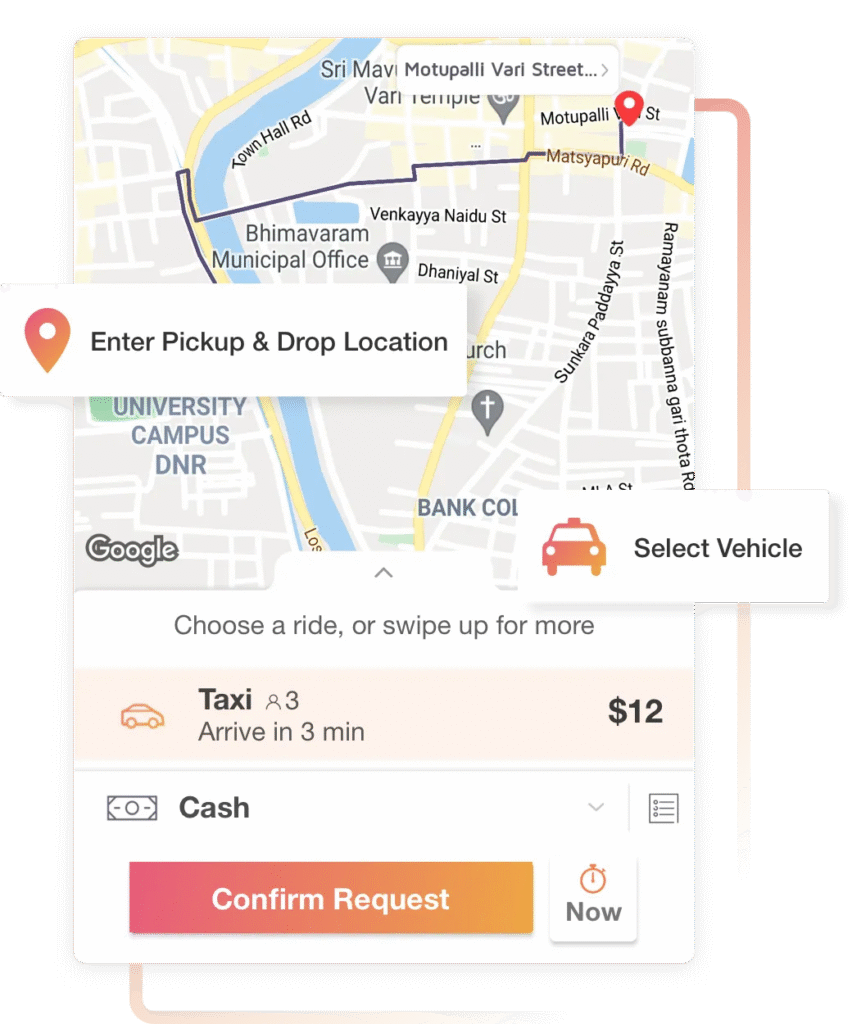
- Supports ride-hailing, delivery, logistics, and hyperlocal services
- White-label apps for users, drivers, and admins
- Smart dispatch and route optimization
- Flexible monetization models
- Rapid deployment without custom development
Most importantly, Jugnoo enables businesses to launch, test, and scale multiple mobility verticals on a single platform, reducing time to market and operational complexity.
Conclusion
An on-demand mobility platform is no longer just a transportation solution—it is a growth engine for multi-vertical digital businesses. By unifying rides, deliveries, logistics, and services under one ecosystem, businesses can scale faster, operate efficiently, and deliver superior user experiences.
With the right technology partner and a future-ready platform like Jugnoo, entrepreneurs and enterprises can confidently build, expand, and dominate the on-demand mobility space.